
Cold Brand DCT type.

CAS No.: 70865-29-1

CAS No.: 12226-49-2

CAS No.: 12226-46-9

CAS No.: 112270-91-6

CAS No.: 83929-91-3

CAS No.: 12225-86-4

CAS No.: 12225-82-0

CAS No.: 17804-49-8

CAS No.: 12226-08-3

CAS No.: 12270-87-0


CAS No.: 75030-18-1

CAS No.: 12225-37-5

CAS No.: 13324-20-4
Customer Benefits
Economic range of cold brand dyes for room temp dyeing and printing
Application Method
Cold dyeing
Trichomy
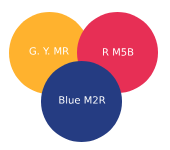
Medium
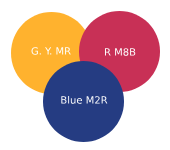
Deep
For Hot Exhaust economical dyes for standard requirements.

CAS No.: 77907-38-1

CAS No.: 176023-34-0

CAS No.: 59112-78-6

CAS No.: 61951-85-7

CAS No.: 91261-29-9

CAS No.: 61951-82-4

CAS No.: 61931-52-0

CAS No.: 71872-80-5

CAS No.: 77907-32-5

CAS No.: 85782-76-9

CAS No.: 71872-76-9


CAS No.: 61931-49-5

Customer Benefits
Suitable for post mercerizing
Suitable for post bleaching
Application Method
Hot Exhaust Economical Dyes
Trichomy
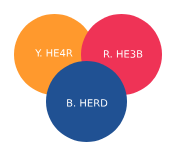
Pale
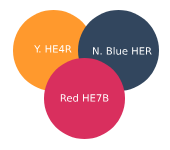
Medium Heavy
Supporting Dyes
Yellow HE6G
Yellow HE4G
Orange HER
Br. Blue HEGN 125
For warm exhaust for normal fastness with good reproductivity.

CAS No.: 129898-77-7

CAS No.: 93050-80-7

CAS No.: 79809-27-1


CAS No.:

CAS No.: 93050-79-4


CAS No.: 145017-98-7


CAS No.: 93050-78-3


Customer Benefits
More preferable because of better build up for dark shades
Good wash off properties for good fastness levels
Application Method
Cold-pad-batch (Selectively)
Trichomy
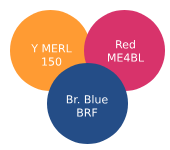
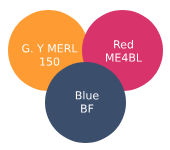
Supporting Dyes
Yellow ME4GL
Orange ME2RL
Red ME3GL
Red ME3BL
Red ME6BL
Navy Blue ME2GL
For warm exhaust and pad dying with excellent wet fastness.

CAS No.: 12226-63-0


CAS No.: 12226-47-0


CAS No.: 12225-88-6


CAS No.: 105635-66-3


CAS No.: 93050-78-3


CAS No.: 12226-38-9


CAS No.: 12225-73-9


CAS No.: 12236-86-1

CAS No.: 12731-63-4

CAS No.: 12225-25-1
Customer Benefits
Various options available for black and navy in economic fastness
Good dischargeable shades for browns
Excellent wash off and fastness properties
Application Method
Cold-pad-batch
Pad-dry- chemical pad-steam (Selectively)
Pad-dry-steam (Selectively)
Pad-dry-thermofix (Selectively)
Trichomy
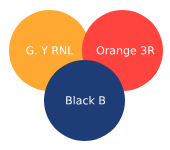
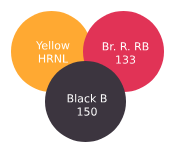
Supporting Dyes
Yellow H7GL
Yellow GL
Orange 2R
Red GF Red 5B
Brown GR
Violet 5R
Blue 3R
turquoise Blue PG
Green 6B
Navy Blue GG
Black RL
Black Dn conc
Black WNN
Multifunctional warm exhaust for deep shades with cost effective and higher productivity.


Customer Benefits
Cost effective range with high productivity
Most preferable for deep shades
Good wash off and fastness properties
Resitant to wet fading and repeated domestic washing
Application Method
Cold-pad-batch
Pad-dry-chemical pad steam
Pad-dry-steam
Pad-dry-thermofix
Trichomy

Medium
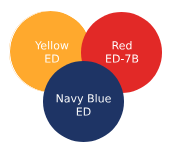
Heavy Shades
Multifunctional warm exhaust high fixation eco-friendly with reliable applications.


Customer Benefits
Good multifunctional dyes with high fixation
Eco friendly with reliable applications
Application Method
Warm Exhaust
Trichomy
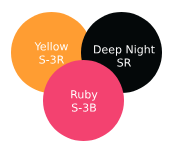
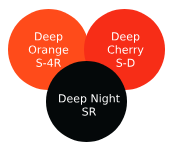
For warm exhaust and pad dyeing , economical for medium to dark shades.


Customer Benefits
Cost effective for medium shades
Cost effective for dark shades
Application Method
Warm exhaust and pad dyeing
Trichomy
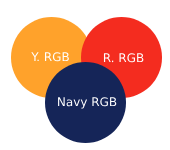
Multifunctional warm exhaust and pad dyeing , economical for dark shades.


Customer Benefits
Good multifunctional dyes for dark shades
Economical for dark shades
Application Method
Multifunctional warm exhaust and pad dyeing
Trichomy
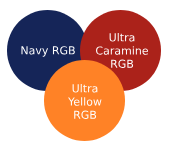
High performance dyes for ultra deep shades for exhaust and pad dyeing.


Customer Benefits
Simple process requiring minimal capital investment
Easy clean-down process suitable for short runs
Very high strength products
Excellent build-up for very deep shades
Good wash-off and fastness levels
Resistant to perborate wet fading
Resistant to repeated domestic washing
Application Method
Warm Exhaust
Pad-dry-chemical pad steam
Pad-dry-steam
Pad-dry-thermofix
Cold-pad-batch
Trichomy
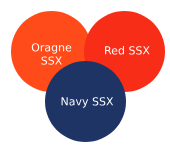
For Very Deep Shades
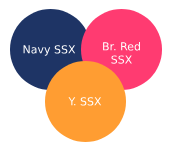
Heavy Shades
For warm exhaust suitable for pale shades with perfect reproducibility.


Customer Benefits
Perfect Reproducibility
Application Method
Warm Exhaust
Trichomy
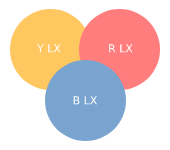
Pale
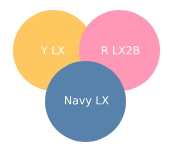
Medium Heavy
For warm exhaust and pad dyeing high quality , high performance , economical & most suitable Blacks.


The most cost effective trichomy for exhaust dyeing.


Click here to see Reactive Dye Process


Customer Benefits
Printing
Pad-dry-chemical pad steam
Pad-dry-steam
Pad-dry-thermofix
Application Method
Excellent reproducibility for high RFT levels
Good repeated domestic washing
High light fast selection available
Trichomy
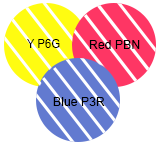
Pale
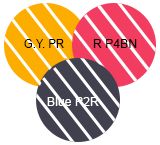
Medium Heavy
Supporting Dyes
Orange P2R
Red PB
Red P6B
Red P8B
Purple P3R
Turquoise PGR 150
Red Brown P4R
Black PN
Black PGR
Click here to see Printing Dye Process